
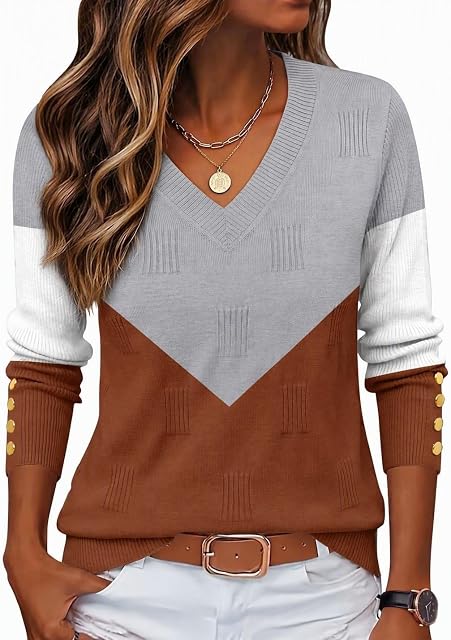
EVALESS Women's Striped Short Sleeve Knit Sweater Top | Crew Neck Sweaters,Cap Sleeve Pullover,R
$11.14
View on Amazon →

Published 17 September 2026 · updated 2026-09-17 · by FashionBookings
Most wardrobes hold far more than ever gets worn — open any rail and there are pieces with the tags still on. A capsule wardrobe of 12–15 carefully chosen pieces, built around an 80/20 base-to-accent ratio, covers everyday dressing from desk to weekend — if each piece works with at least three others you already own.
The challenge is not motivation — it is method. This guide walks through the right number of pieces, how to allocate them across types and colours, what justifies spending more, how to swap for seasons without rebuilding, and how to audit what you already own before you spend anything new.
The 33-items figure that circulates across capsule wardrobe guides includes shoes, bags and accessories. For clothing alone, 15 to 20 pieces covers most everyday situations without generating decision fatigue or laundry panic.
The metric that matters is not total count but combination potential. A ten-piece wardrobe where each item pairs with three others generates around 30 distinct outfits. A fifty-piece wardrobe of disconnected impulse buys typically delivers five outfits you actually wear and forty-five items you feel vaguely guilty about every time you open the door.
Start with the 12-piece starter list later in this guide. Add pieces only when you can identify a specific gap — an occasion, a season, or an outfit function you genuinely cannot cover with what you have. That single principle prevents most wardrobe sprawl before it begins.
The 80/20 split is the most reliable starting structure for a capsule wardrobe: roughly 80 per cent of your pieces in neutral base tones, 20 per cent in accent colours or prints that carry personality.
Base pieces are the ones you reach for without thought — a well-cut navy trouser, a cream blouse, a charcoal midi skirt, a grey crewneck knit. They combine freely with each other and with whatever you add later. Choose them in classic silhouettes that will not look dated next spring, and in fabrics with enough weight to hold their shape through regular wear.
One bold-print top, a rust-coloured cardigan, a fine-stripe long-sleeve — these are the items that make outfits feel personal rather than generic. Because they are few in number, they do not overwhelm the system. When your taste shifts or a trend fades, accent pieces can be rotated out without dismantling your whole wardrobe.
Treat accent pieces like specials on a menu — rotating, seasonal, low in number. Buy one or two new ones per season rather than several at once. A single printed scarf or terracotta knit can rotate across three or four base outfits without requiring new purchases alongside it, and it stays fresh because you are not reaching for it every day.
A colour story is not a strict uniform — it is a set of tones that sit comfortably next to each other in the same outfit. Most well-functioning capsule wardrobes carry two neutral anchors (navy and cream, grey and camel, black and ivory), one deeper anchor shade (forest green, dark chocolate, charcoal), and one or two accent tones that complement rather than compete.
Before buying anything new, hold the piece against your current base items in natural daylight. If it only works with one thing you own, it is not a capsule piece — it is a costume that needs a specific co-star every time you wear it.
The carry-on test helps here: could you pack this item alongside five other pieces you own and still have a week of outfits? If yes, it earns its drawer space. If you have to reach for very specific combinations to make it work, treat it as an edge-case piece, not a core one.
Investment dressing is not about spending more overall — it is about concentrating spend where quality is immediately visible, durability matters most, and the piece appears in the highest number of outfit combinations.
| Category | Worth spending on | Fine to buy cheaper |
|---|---|---|
| Coat and outerwear | Yes — worn over everything; sets the quality read of your whole outfit | Only if you already own a quality coat |
| Tailored trousers | Yes — fit and fabric are obvious at a glance | Casual, unstructured trousers are fine cheaper |
| Knitwear | Yes for natural-fibre blends (merino, wool, cashmere) | Synthetic layering pieces are fine at lower price points |
| Plain T-shirts | No — basics wear out and are easily replaced | Yes — buy multiples and replace annually |
| Blazers | Yes — structure and fabric quality show immediately | No |
| Summer linen or cotton tops | No — lightweight fabric costs little to produce well | Yes |
| Trend-driven pieces | No — seasonal lifespan makes cost-per-wear poor | Yes — keep spend minimal |
The practical rule: if you will wear something more than 30 times, the cost-per-wear calculation rewards spending more upfront. If you cannot see yourself wearing it ten times, keep the spend low regardless of how tempting it looks on the rail.
"Premium quality", "luxury feel", and "elevated basics" are unregulated marketing phrases that mean nothing on a label. The actual indicator is fabric composition: look for at least 80 per cent natural fibres — wool, merino, cashmere, cotton, or linen — in any investment piece. A polyester-heavy blazer at a high-street price point will pill and lose its structure within two seasons, regardless of how aspirational the branding sounds. Always check the care label before committing.
A capsule wardrobe adapts to seasons through layering and targeted swaps, not through seasonal rebuilds. The core neutral base pieces stay in rotation year-round; two or three seasonal items move in and out twice a year.
In practice, the shift is subtle: a linen shirt gives way to a brushed cotton one as autumn arrives; a lightweight cotton knit becomes a chunky ribbed one for winter. The tailored trouser stays; only the weight and texture of what sits above it changes. Keeping the base constant is what makes the system coherent — the wardrobe reads as a wardrobe, not a series of disconnected seasonal purchases.
Store off-season pieces in breathable cotton or muslin bags rather than plastic, which traps moisture. Wash or dry-clean items before storing — moth damage and set-in odour almost always begin in clothing put away dirty.
Before putting a piece away for the season, note roughly how many times you wore it. Fewer than five wears across a full season is a prompt — not a rule — to ask whether it belongs in next year's rotation or whether it should leave the wardrobe entirely. This small habit stops the same underused items cycling in and out for years without ever being questioned.
The audit always comes first. Most people already own several strong capsule foundations — they are buried under the volume of everything else.
A 20-minute audit:
Only after step five should you write a shopping list. Most audits reveal the gaps are smaller than expected — typically one or two specific pieces rather than a whole overhaul. Shopping from a list of identified gaps, rather than from mood or sale instinct, is the single most useful change most people can make.
This is a structure, not a prescription. Adjust it to your life — if you rarely wear skirts, swap piece five for a second pair of trousers in a different weight or finish.
| # | Piece | Why it earns its place |
|---|---|---|
| 1 | White or cream fitted T-shirt | Base layer under everything; easy to replace when worn |
| 2 | Black tailored trousers | Dresses up or down; works across seasons with layering |
| 3 | Dark-wash straight-leg jeans | The most versatile casual base in most wardrobes |
| 4 | White or pale blue fitted shirt | Open over a tee, tucked in, or layered under knitwear |
| 5 | Neutral midi skirt | Pairs naturally with shirt and knit; transitions desk to evening |
| 6 | Classic crewneck knit, mid-weight | The cornerstone autumn and winter layer |
| 7 | Well-cut blazer in a neutral | Sharpens any combination of the above immediately |
| 8 | Simple cotton or jersey dress | One-piece solution for warmer days; also works under the blazer |
| 9 | Lightweight linen or cotton trousers | Summer-weight swap for the tailored trousers |
| 10 | Striped or fine-print long-sleeve top | Adds visual interest without complicating combinations |
| 11 | Denim jacket or cotton utility jacket | Casual outer layer for the relaxed half of the wardrobe |
| 12 | One accent piece of your choice | Your personal note — a rust coat, a print blouse, a bold knit |
Build pieces 1–7 first; they form the structural core and cover most everyday situations. Pieces 8–11 extend seasonal range. Piece 12 is what makes the wardrobe feel like yours rather than a shared uniform.
Once the starter list is in place, this reference shows how a fuller 20–25 piece capsule develops by category — and where each starts to tip past useful.
| Category | Minimum | Comfortable range | Approaching excess |
|---|---|---|---|
| Trousers and jeans | 2 | 3–4 | 5+ |
| Tops (tees, shirts, long-sleeves) | 3 | 4–5 | 7+ |
| Knitwear and sweatshirts | 1 | 2–3 | 4+ |
| Dresses and jumpsuits | 1 | 2 | 4+ |
| Skirts | 0–1 | 1–2 | 3+ |
| Blazers and tailored jackets | 1 | 1–2 | 3+ |
| Casual outerwear | 1 | 1–2 | 3+ |
| Smart outerwear (coat) | 1 | 1–2 | 3+ |
| Accent and trend pieces | 0–1 | 1–2 | 3+ |
The "approaching excess" column is not a hard limit — it is the point at which most people stop generating new outfit combinations and start losing track of what they own. When you cross those numbers in any category, run the 20-minute audit before adding anything further to that group.


Review your capsule twice a year at each seasonal change. Pull everything out, identify what you did not reach for, and remove those pieces from the rotation. Add one or two new accent pieces per season to keep things feeling current. Base neutrals should last several years before needing replacement — if they are wearing out sooner, the fabric quality was not right for the level of use.
A capsule wardrobe is deliberately strategic about what each piece does — every item is chosen because it combines with at least three others. Simply owning fewer clothes is just a smaller wardrobe. You can have a capsule wardrobe of 25 well-chosen items or a small wardrobe of 10 pieces that do not work together. The combination potential is the point, not the number alone.
Not necessarily. A capsule wardrobe concentrates spend on fewer, better pieces — particularly outerwear, trousers and knitwear — while keeping costs low on basics like tees and trend items. Many people find total annual clothing spend drops because they stop buying on impulse. Spreading purchases across several months rather than buying everything at once also helps manage the initial outlay.
Start with the 20-minute audit — identify what you already own that already functions as capsule pieces. Most wardrobes have more of the foundation than expected. Only then shop for the genuine gaps. Prioritise quality on the one or two items you wear most (usually a coat and a pair of trousers), buy basics like tees cheaply, and build the full list over several months rather than all at once.
As an Amazon Associate we earn from qualifying purchases. Prices and availability are accurate as of the date shown and are subject to change — the price on Amazon at checkout is the one that applies.
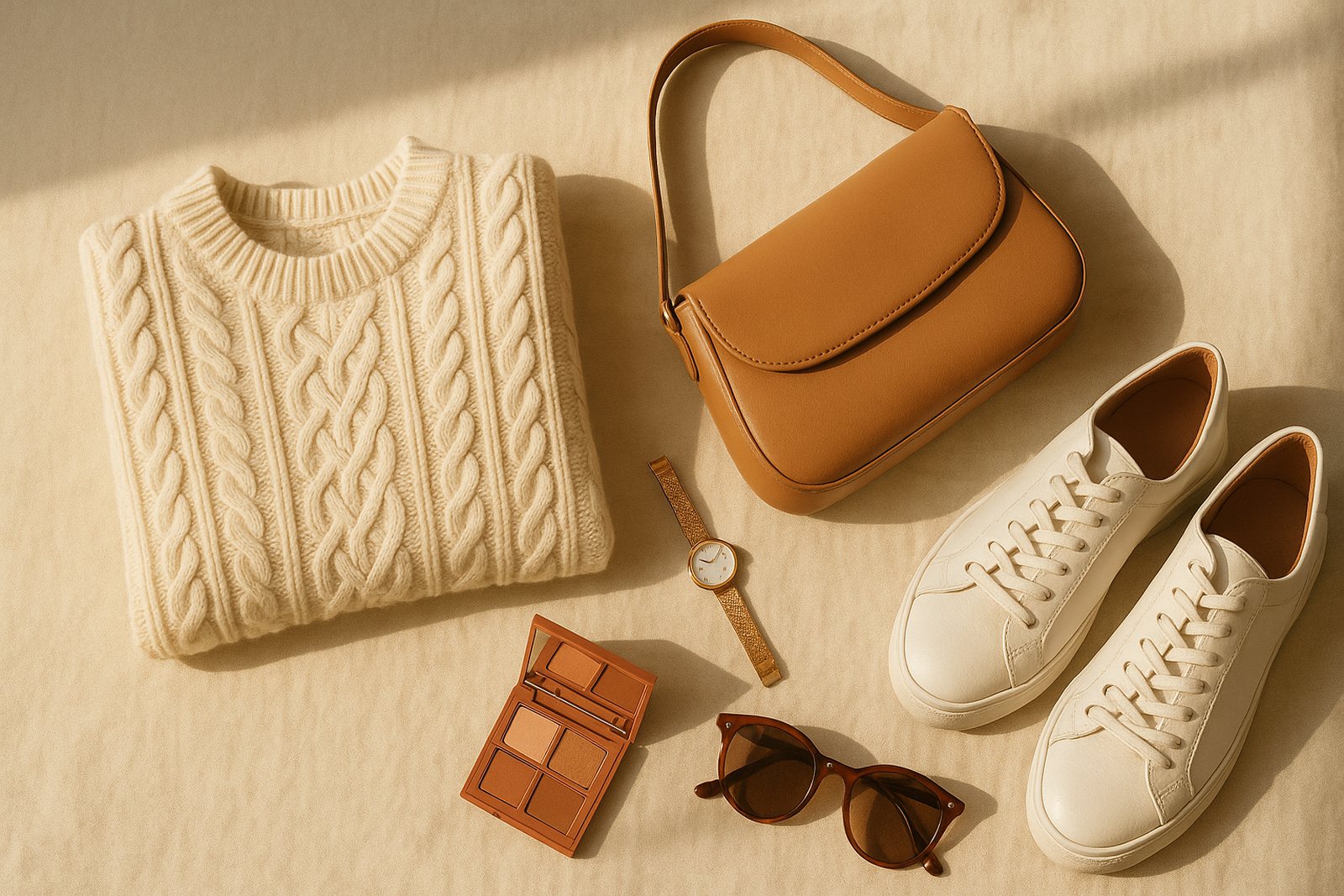
Build a capsule wardrobe UK women will actually wear: how many pieces you need, the base-to-accent ratio, what to invest in, and a
Check clothing quality before buying men's trousers with our guide to fibre content, fabric weight, stitch density, seam finishing
How to make your pyjamas and loungewear last for years — UK care guide covering wash temperature, drying, pilling, stain removal a